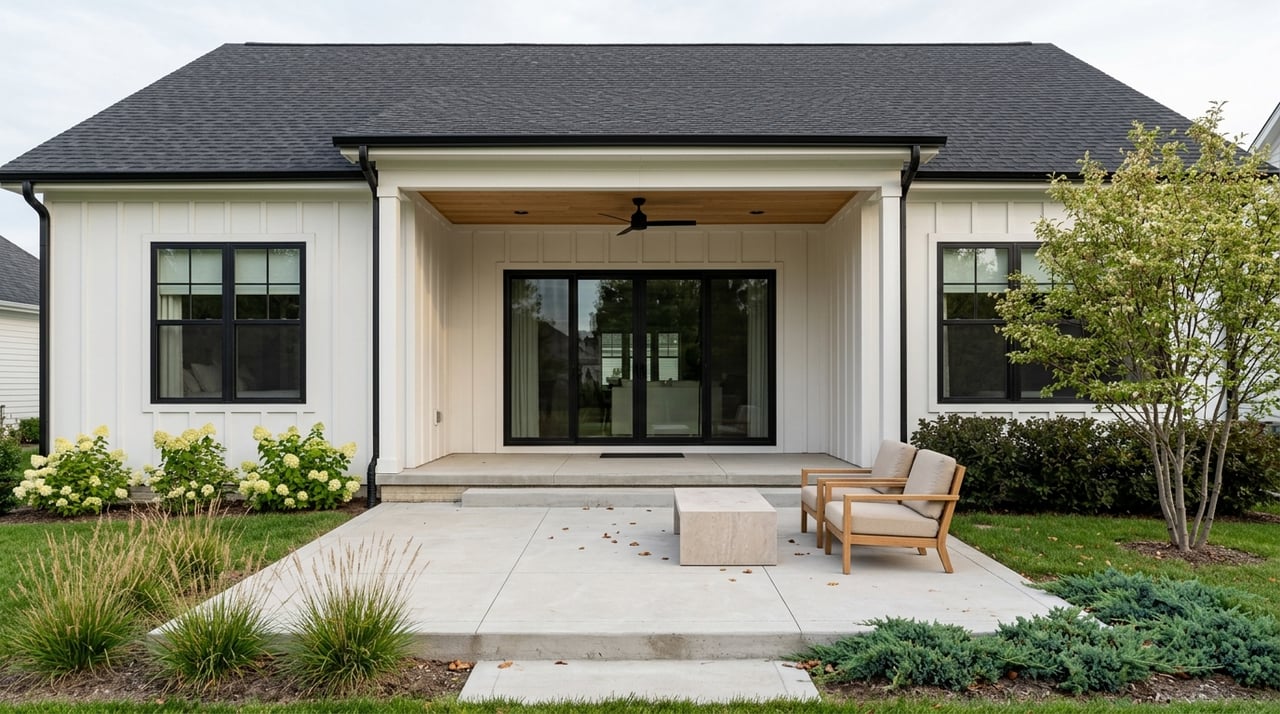
Plymouth MN New Construction Home Options to Explore
July 16, 2026
July 16, 2026
Thinking about buying a brand-new home in Plymouth? You are not alone, and you are looking in a market that offers more variety than many buyers expect. From detached homes to townhomes, twin homes, and redevelopment-based residential projects, Plymouth gives you several ways to buy new depending on your goals, budget, and timeline. Here’s what to know as you explore your options in Plymouth.
Plymouth is a large West Metro city with more than 80,000 residents and over 32,000 households in 2024. It is also in a later stage of growth, which means much of its new construction comes through a mix of infill, redevelopment, and selective new residential projects rather than endless raw-land expansion.
That matters when you start your search. In Plymouth, new construction does not always look like one large subdivision on the edge of town. Instead, you may find opportunities spread across different parts of the city and across different housing types.
In 2023, Plymouth added 532 residential units, including 137 single-family homes and 395 units in new multifamily buildings. That mix shows a market where both traditional and higher-density housing are part of the picture.
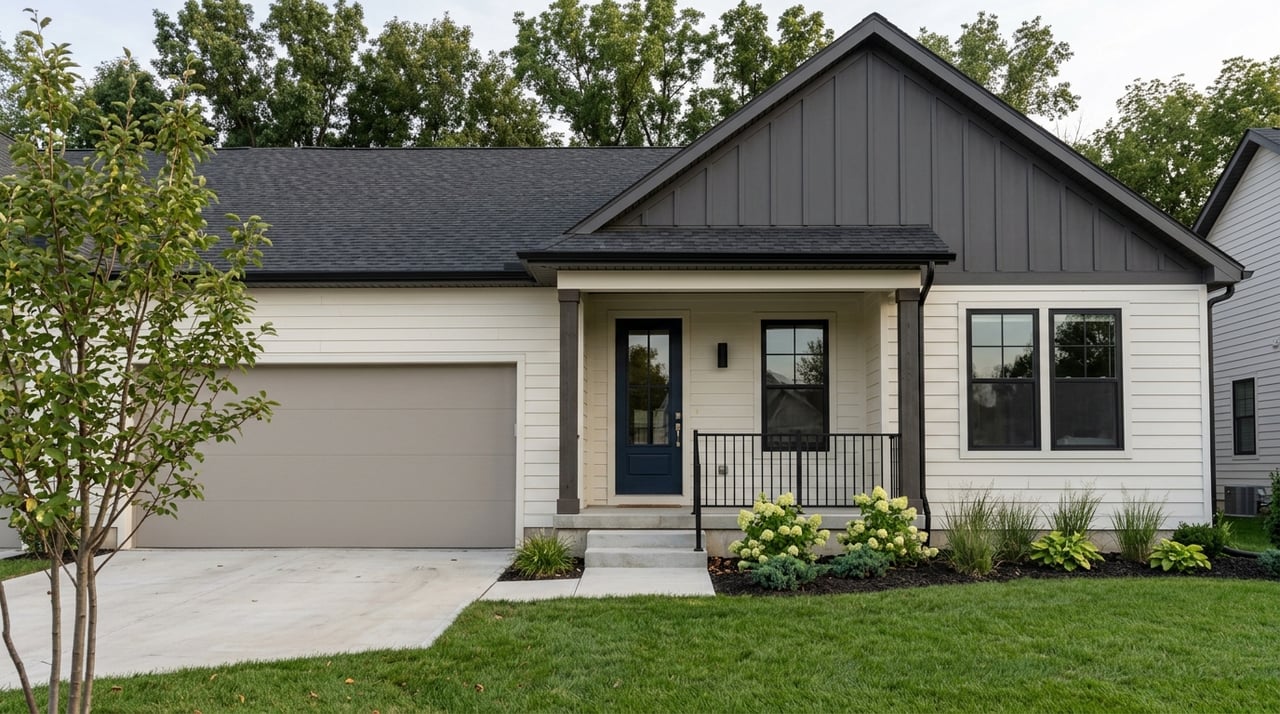
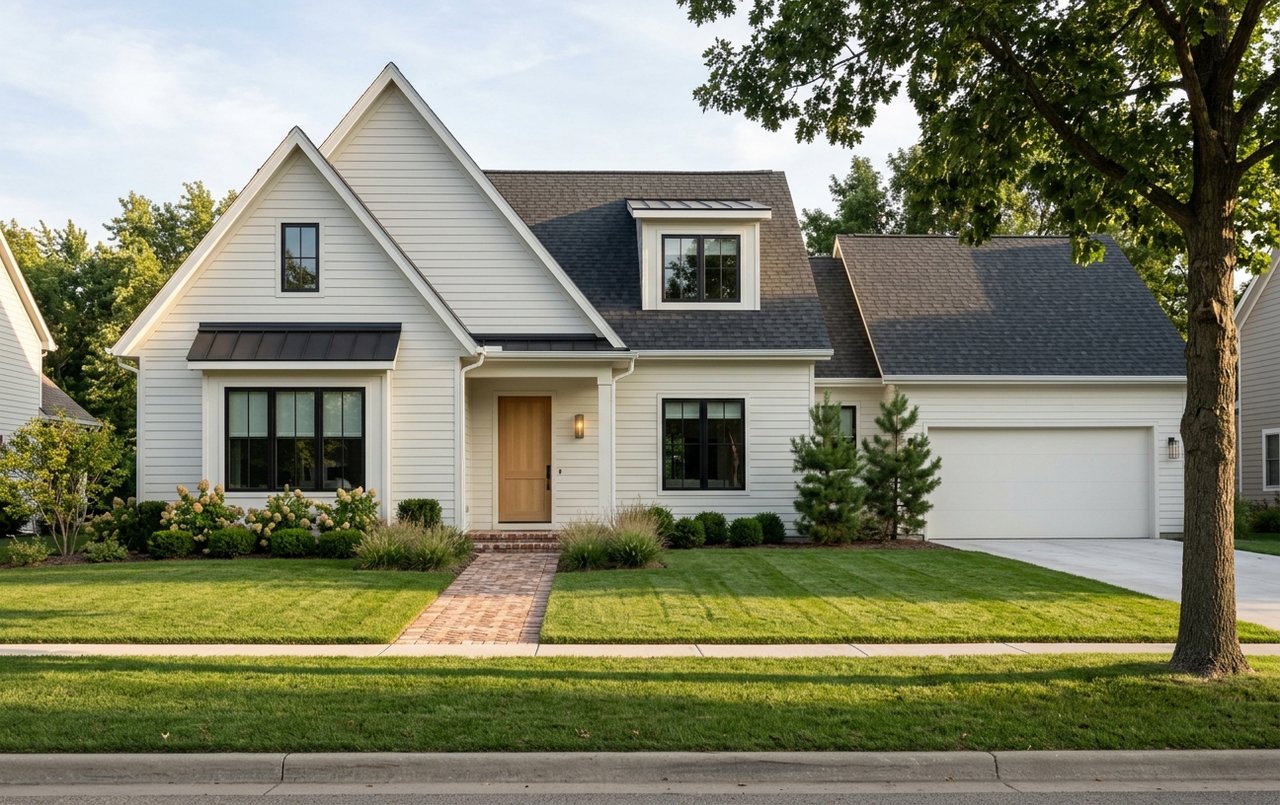
If you want a stand-alone home, Plymouth still offers detached new construction opportunities. These may come through smaller pockets of development, infill lots, or select larger proposals that move forward over time.
City planning activity shows that detached homes remain part of the market, even if they are not the only story. For buyers who want newer finishes, updated layouts, and the feel of a traditional single-family property, this is still a category worth watching.
Plymouth also includes attached housing options such as townhomes and twin homes. These can appeal to buyers who want new construction with a different maintenance profile, a more compact footprint, or a price point that may differ from detached homes.
Recent planning and housing activity in Plymouth supports this part of the market. Mission Ponds included a townhome component through a comprehensive plan amendment, and Valor Place was completed as a twin-home development.
Not every buyer looking at new construction wants a detached home. In Plymouth, a meaningful share of newer housing supply is coming from multifamily and mixed-use development, especially in planned redevelopment areas.
Projects like Plymouth Plaza and The Boulevard reflect that trend. The city’s planning work around areas like City Center and the I-494/Highway 55 corridor also points to continued residential growth tied to redevelopment and higher-density planning.
Plymouth sits in an interesting position in the West Metro. It is not purely a greenfield growth market, but it is also not limited to only apartment-style infill.
Compared with some nearby communities, Plymouth’s recent permit pattern reflects a more mixed approach. Maple Grove, for example, has shown stronger detached-home and townhome permit activity, while Plymouth’s pipeline leans more toward a balance of detached housing, attached housing, and redevelopment-driven projects.
That can be a benefit if you want options. You may be able to compare a more traditional new home, an attached property, and a newer mixed-use residential setting all within the same city.
Plymouth has updated zoning in City Center to allow apartment, townhome, and mixed-use residential. The city also increased allowed density there for both multifamily and townhouse development.
For buyers, that means City Center is an area to watch if you want a newer home in a more connected, redevelopment-focused setting. The product mix there may continue to broaden over time.
Areas tied to larger planning efforts, including the I-494/Highway 55 area, may also shape future supply. The city’s planning framework in that area includes residential and transit-related redevelopment with a minimum density approach.
This does not guarantee the same kind of home in every project. It does suggest that some of Plymouth’s future new housing will likely come from carefully planned reinvestment rather than large outward expansion.
Even with redevelopment playing a bigger role, detached-home opportunities can still emerge in Plymouth. These may be more limited or more scattered than in fast-growth suburban markets, so it helps to stay flexible and informed.
If your goal is a newly built single-family home in Plymouth, timing and local knowledge can make a real difference. New opportunities may not always be obvious if you are only watching the broad market casually.
For one- and two-family new construction, Plymouth requires a signed building permit application, scaled plans, a certificate of survey, and an energy-code compliance certificate. The city says plan review and permit issuance usually take five to seven working days after a complete application is received.
Separate electrical, plumbing, and mechanical permits are also required. For buyers, this is a reminder that new construction has a structured approval process and that timelines can depend on how complete and coordinated the plans are.
Plymouth also requires plans to meet or exceed the current Minnesota State Building Code. That is one reason many buyers look to new construction when they want modern building standards and current energy-code compliance.
One of the biggest surprises for buyers is that a new construction contract may not look like a typical resale purchase agreement. Builder deposits are common, especially if the home is not yet complete.
If you are comparing builders or projects, ask clear questions about the deposit amount, when it is due, and under what conditions it may be refundable. Those details can affect both your risk and your flexibility.
You should also remember that you do not have to use a builder’s affiliated lender. Shopping for financing can help you compare terms and choose the option that fits your broader financial plan.
New construction financing can involve more moving parts than a standard resale purchase. In some cases, the financing may include a construction phase before converting into a permanent mortgage.
Construction-to-permanent financing may be structured as either a single-closing or two-closing transaction. The practical point for you is simple: make sure you understand how the financing, build timeline, and closing process fit together before you commit.
That is especially important if you are also selling a current home, relocating from another state, or trying to line up a move on a tight timeline. A clear plan matters even more when several milestones have to happen in the right order.
Some buyers assume a brand-new home does not need the same level of due diligence as a resale property. In reality, inspection and repair contingencies can still be important.
If your contract includes an inspection contingency tied to a satisfactory inspection, that can provide protection if concerns come up. Certain loan programs may also require repairs before closing.
For FHA-insured new construction, required forms and inspection stages may also apply during the build process. The main takeaway is that “new” does not mean “skip the details.”
If you are serious about new construction in Plymouth, it helps to start with a clear idea of what matters most to you. That usually includes home type, location within Plymouth, maintenance preferences, timeline, and budget.
A detached home search may look very different from a search for a townhome or a home in a mixed-use setting. Plymouth’s market is broad enough that your best fit may come from a part of the city or a product type you had not originally considered.
It also helps to look beyond just what is completed today. In a city like Plymouth, where redevelopment and reinvestment are active, future inventory can be shaped by planning decisions, approved projects, and permit activity as much as by visible model homes.
Because Plymouth’s new construction market is not one-size-fits-all, local guidance can save you time and help you compare options more clearly. The right support can help you sort through builder terms, understand the location context, and decide whether a project fits your lifestyle and timeline.
That is especially helpful if you are relocating, buying your first home, or balancing the sale of your current property with a new build. In each case, the details matter, and having a steady guide can make the process feel much more manageable.
If you are exploring new construction home options in Plymouth and want a clear, local perspective, Johnathan Harvath can help you evaluate the market and move forward with confidence.
Stay up to date on the latest real estate trends.
Johnny combines deep local knowledge, innovative marketing, and personalized guidance to help clients achieve their real estate goals with confidence.