Living In Minnetonka: Neighborhoods, Lakes, Commutes
June 25, 2026
June 25, 2026
If you are considering a move to the west metro, Minnetonka often lands on the shortlist for good reason. You may be looking for more space, easier access to lakes and trails, or a commute that still feels manageable day to day. This guide will help you understand how Minnetonka is laid out, what its best-known local areas feel like, and how outdoor access and commuting shape daily life here. Let’s dive in.
Minnetonka is a suburban community in Hennepin County with an estimated 2024 population of 52,651. The city includes about 23,515 households and 24,760 housing units, with a 72.5% owner-occupied rate. That points to a community with a strong ownership base, while still offering a range of housing choices.
What makes Minnetonka distinctive is that it does not revolve around one central downtown. Instead, the city developed around multiple neighborhood, community, and regional centers. For you, that means Minnetonka can feel more like a collection of connected areas than one single main-street-style destination.
The city also has a strong physical identity. Planning materials describe it as spacious and well-vegetated, and more than 20% of the land area is made up of wetlands and lakes. Add in 50 parks and more than 100 miles of trails and sidewalks, and you start to see why outdoor access is such a big part of daily life here.
If you are relocating, one of the first things to understand is that Minnetonka is often described through long-used local place names. These names matter because residents still use them, and they help you make sense of housing patterns, amenities, and location advantages.
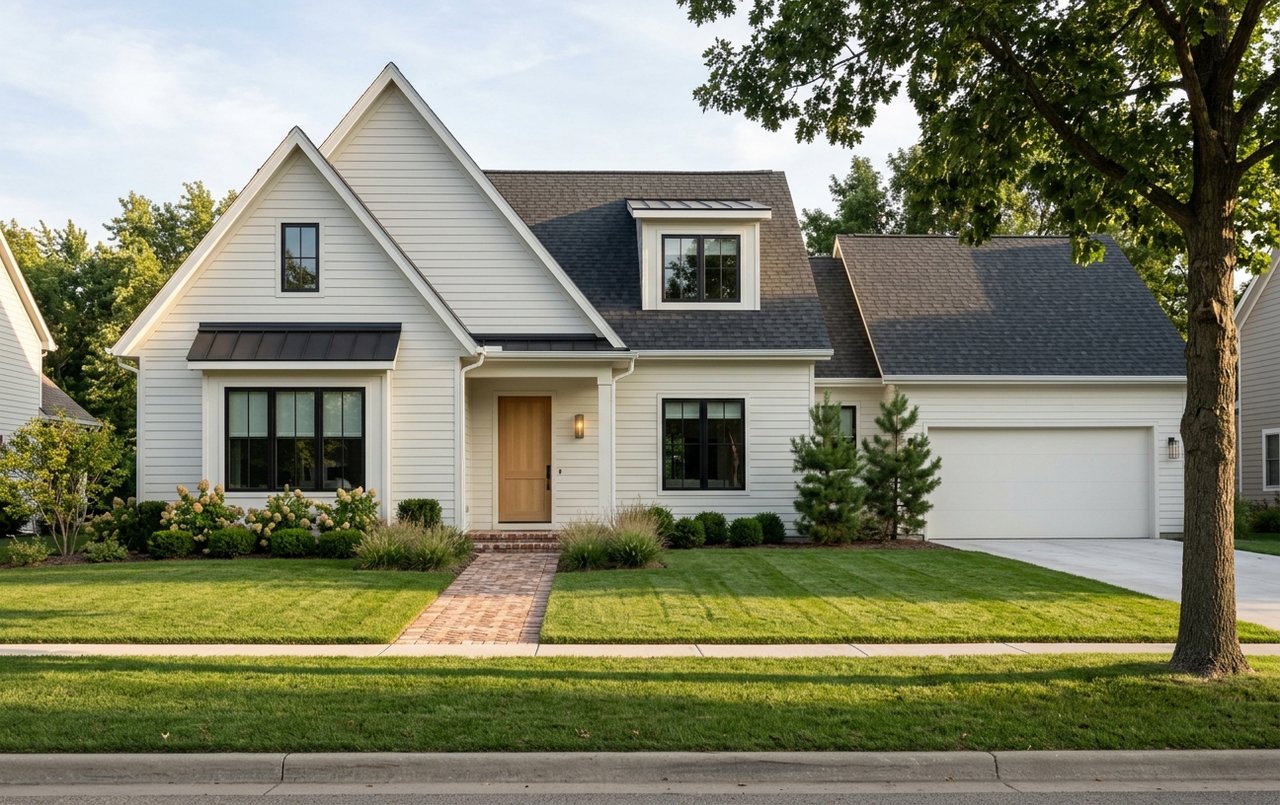
Most existing single-family neighborhoods are designated low-density residential. At the same time, Minnetonka is not limited to detached homes. Duplexes, attached townhomes, apartments, senior housing, and assisted-living options are also part of the local housing mix, especially in selected corridors and redevelopment areas.
That broader mix can be useful if you want flexibility. You might rent first, start with a townhouse or condo, or look for a long-term home with easier maintenance. Minnetonka supports several different ways to live, even though its overall feel is still residential and neighborhood-oriented.
Minnetonka Mills is one of the city’s oldest development areas. It is tied to Minnehaha Creek and to early commercial and residential growth in the community.
Today, the area still carries that historical identity. Minnetonka Mills Park preserves historic structures and the former mill setting, and the Charles H. Burwell House is also located in this area. If local history and a long-established setting appeal to you, Minnetonka Mills is one of the place names worth knowing.
Glen Lake is another long-established area within Minnetonka. City planning and history documents consistently reference it as part of the city’s early residential pattern.
Glen Lake Park gives the area a clear neighborhood anchor. With athletic fields and a skate park, it adds practical recreation space that can shape everyday routines. For buyers who want a recognizable local center within a larger suburban city, Glen Lake often stands out.
Gray’s Bay is one of Minnetonka’s strongest connections to Lake Minnetonka. If lake access is high on your list, this is one of the most important public-facing areas to understand.
Gray’s Bay Marina is a city and DNR-managed public access point with 29 permanent slips, trailer parking, and seasonal boat-launch operations. Gray’s Bay Causeway Park sits nearby as well. For many buyers, this area shows how Minnetonka can offer real lake access without requiring private shoreline ownership.
The Opus area offers a different side of Minnetonka. This one-square-mile mixed-use district in southeast Minnetonka is bounded by Highway 169, Shady Oak Road, Highway 62, and Smetana Road.
City materials describe it as a mixed-use area with residential apartments, major employment centers, a one-way roadway system, and about six miles of off-road trails. It is also being positioned for future light rail service. If you want a more connected live-work setting, Opus can feel very different from the city’s lower-density residential areas.
Outdoor access is one of Minnetonka’s biggest lifestyle advantages. This is not just a city with a few parks tucked into neighborhoods. It has a broad park system, major trail connections, wetlands, lakes, and several standout recreation areas.
The city maintains five community parks and 44 neighborhood parks. That scale matters because it gives you options, whether you want a quick walk, a larger trail outing, or a place to spend a full afternoon outdoors.
Lone Lake Community Park and Preserve is a strong example of Minnetonka’s outdoor appeal. The park spans 146 acres and includes views of Lone Lake, nearly two miles of formal trails, and a five-mile multi-use mountain bike trail.
If you value easy access to nature without leaving the city, this kind of amenity can shape your daily routine in a meaningful way. It supports everything from casual walks to more active recreation.
Shady Oak Beach adds another layer to Minnetonka’s appeal. The city describes it as a spring-fed beach with 76 feet of sandy shoreline, swimming, lifeguards, rentals, and free parking.
For you, that can mean a simple summer option close to home rather than a long weekend-only destination. It also reinforces the idea that lake-oriented living in Minnetonka is not limited to waterfront owners.
Minnetonka also sits on important regional trail infrastructure. Two Three Rivers Park District regional trails cross the city: the Minnesota River Bluffs LRT Regional Trail and the Lake Minnetonka LRT Regional Trail.
The Lake Minnetonka Regional Trail stretches 15.8 miles between Hopkins and Carver Park Reserve and passes through Minnetonka along the way. If biking, walking, or connected trail access matter to you, this is a real everyday advantage rather than a small bonus.
Minnetonka works well for many buyers because commuting options go in more than one direction. You are not looking at just a straight shot into downtown Minneapolis. Depending on where you work, you may also benefit from access to west-metro employment centers within or near the city.
The Census Bureau reports a mean travel time to work of 19.3 minutes. Actual travel time will depend on your exact neighborhood and destination, but that figure suggests many residents keep their work trips relatively manageable.
Minnetonka includes multiple business and industrial park areas, which helps explain why it is more than a typical bedroom community. The Opus area alone is described as a mixed-use employment center with more than 15,000 employees and about 4,000 residents.
That creates practical flexibility. You may live in a quieter residential area and still be close to a major job center, or choose a location with easier access to Minneapolis, Eden Prairie, Hopkins, or other parts of the west metro.
Metro Transit provides local and express bus service in Minnetonka. City information lists local routes 9, 12, 612, 615, and 645, along with express routes 663, 664, 667, and 670.
The city also lists park-and-rides at I-394/Hopkins Crossroad and I-394/Plymouth Road. If you want to reduce drive time stress or keep options open for downtown trips, those transit connections can be helpful.
Minnetonka also works with regional transportation partners to support carpooling, vanpooling, biking, walking, and telework. That may not sound flashy, but it reflects how the city approaches daily mobility in a practical way.
For you, the bigger point is simple: Minnetonka gives you multiple ways to move around. That flexibility is one reason it continues to appeal to both local move-up buyers and people relocating from outside Minnesota.
Minnetonka tends to work well if you want a residential setting with strong outdoor amenities and practical access to both local and regional destinations. It is especially appealing if you like the idea of neighborhoods and local centers rather than a single downtown core.
You may also appreciate Minnetonka if you want choices in how you live. The city offers everything from apartments and townhomes to single-family homes, with higher-density housing concentrated in specific corridors instead of spread everywhere.
For many buyers, the real draw is balance. You can find lake access, trail infrastructure, employment centers, and established residential areas all within one city. That combination gives Minnetonka a lifestyle feel that is both active and grounded.
If you are weighing Minnetonka against nearby west-metro communities, it helps to think in terms of daily rhythm. Minnetonka often suits buyers who want space, greenery, lake-oriented amenities, and commute flexibility, all without depending on a compact downtown setting.
If you want help narrowing down which part of Minnetonka best fits your lifestyle, commute, and housing goals, Johnathan Harvath can help you explore the west metro with local insight and a clear plan.
Stay up to date on the latest real estate trends.
Johnny combines deep local knowledge, innovative marketing, and personalized guidance to help clients achieve their real estate goals with confidence.