Relocating to Eden Prairie? Explore Local Neighborhoods
July 2, 2026
July 2, 2026
Wondering whether Eden Prairie is the right fit for your move? If you are relocating to the West Metro, this is one of those communities that often rises to the top for a reason. You will find a city with strong employer access, a range of housing options, extensive parks and everyday conveniences, and a suburban feel that is not limited to just one type of lifestyle. Let’s dive in.
Eden Prairie is a Hennepin County suburb with an estimated 2025 population of 63,075 and 25,665 households. It is a largely owner-occupied market, with 76.1% of homes occupied by owners, which helps frame the city as a place where many residents put down long-term roots.
From a practical standpoint, the numbers also show a community with strong household income and a commuter-friendly profile. The median owner-occupied home value is $473,900, median household income is $130,489, median gross rent is $1,833, and mean commute time is 21.4 minutes.
For many relocation buyers, Eden Prairie works because it blends suburban space with access to jobs, shopping, recreation, and regional transportation. It is also not a one-note community. Instead of one single downtown, it functions through several activity centers that shape how different parts of the city feel.
If you are new to the area, it helps to think of Eden Prairie through four main reference points: SouthWest Station, Town Center, Golden Triangle, and City West. These are important anchors for commuting, shopping, business access, and future transit.
Golden Triangle and City West are especially notable for professionals. According to the city and MnDOT, those business parks serve more than 20,000 employees through access around Shady Oak Road and Highway 212, which is a major reason many relocating buyers consider Eden Prairie.
Town Center adds another layer of convenience, while SouthWest Station is already a transportation hub. Together, these nodes make Eden Prairie feel connected and functional, even though much of the city still has a distinctly suburban layout.
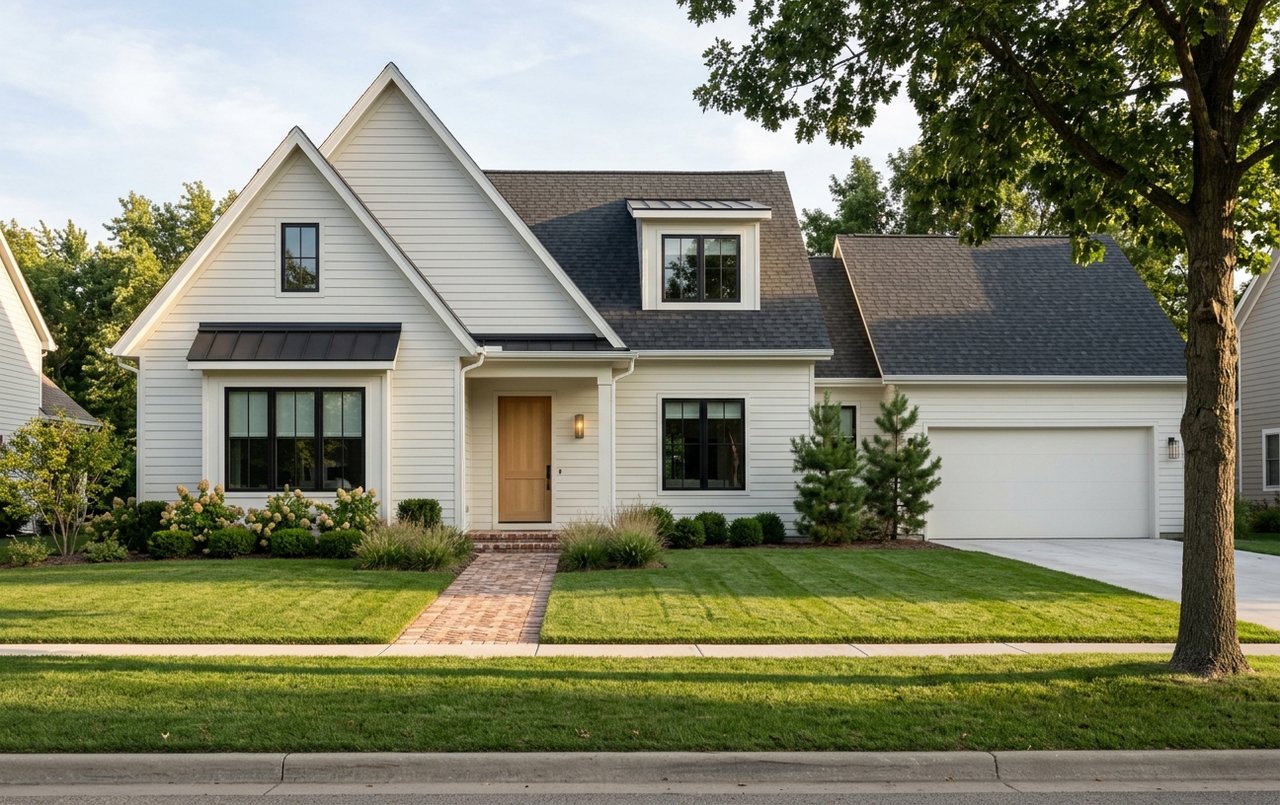
One of the biggest misconceptions about Eden Prairie is that it is only a detached-home suburb. The city’s guide plan and zoning show a broader mix that includes rural, low-density residential, medium-density residential, medium-high density residential, high-density residential, mixed-use, town center, and transit-oriented development areas.
In real terms, that means your options may include established single-family neighborhoods, townhomes, condos, and denser housing near commercial and transit-focused areas. If you want a more traditional suburban setting, large parts of the city still read as low-density residential on the land-use map.
If you prefer convenience and easier access to shopping, commuting routes, or future rail service, areas near Town Center, SouthWest Station, Golden Triangle, or City West may feel especially relevant. This variety is a major advantage for relocation clients because it gives you more than one way to live in the same city.
Eden Prairie does not present as one uniform neighborhood experience. Some areas feel more residential and quiet, while others are more tied to retail, offices, transit, or mixed-use development.
That matters when you are relocating because your day-to-day routine shapes which area will feel most natural. If your top priority is easy access to business parks or regional roads, you may want to focus near major commuter corridors. If you want more of a classic suburban feel, the city’s lower-density residential areas may be a better fit.
This is why neighborhood orientation is so important in Eden Prairie. The right fit often comes down less to the city overall and more to how close you want to be to work, parks, retail, and transportation hubs.
For many buyers moving to Eden Prairie, commuting is part of the decision. Today, SouthWest Transit serves Minneapolis, Eden Prairie, Edina, Chanhassen, and Chaska, with SouthWest Station at Highway 212 and Prairie Center Drive acting as the system’s hub.
That station also offers airport parking for riders using the 686 service, which can be a meaningful perk if you travel often for work. For some relocation clients, that kind of practical convenience matters just as much as square footage or finishes.
Looking ahead, transit access is set to expand. The METRO Green Line Extension is being built from SouthWest Station in Eden Prairie to downtown Minneapolis, with Eden Prairie stations at SouthWest Station, Town Center, Golden Triangle, and City West. Construction is substantially complete, and the line is expected to open in 2027.
Once open, it will add a one-seat ride from Eden Prairie to downtown St. Paul. For buyers thinking long term, that future connectivity is worth keeping on the radar.
Eden Prairie’s parks and recreation options are a major part of its appeal. If your move is not just about the house but also about how you want to spend your weekends, this is one of the city’s strongest selling points.
Bryant Lake Regional Park includes a bike trail, boat ramp, disc golf course, fishing pier, hiking trail, off-leash dog area, playground, and swimming beach. Staring Lake Park includes an archery range, bike trail, disc golf, hiking trail, pickleball, ski trail, sledding hill, and tennis.
Round Lake adds another popular recreation option with a beach, splash pad, skate park, tennis, and other amenities. The city also maintains trail and sidewalk routes and continues investing in projects such as the Valley View Road Trail Extension and the Staring Lake Trail Bridge Replacement.
If you care about outdoor access, biking, walking routes, or nearby recreation, these features can help narrow where you want to focus your home search. In a relocation move, it is often the everyday lifestyle details that make a city feel like home.
Eden Prairie is well set up for errands, dining, and indoor activities. Eden Prairie Center remains a major retail node, with 100 stores, 21 dining options, 9 attractions, and anchors including Target, Scheels, Von Maur, and Kohl’s.
That kind of convenience can make a move easier, especially in your first few months when you are still learning the area. Having a central place for shopping, essentials, and casual dining helps you settle in faster.
The city’s Community Center is another useful amenity, open daily from 5:30 a.m. to 10 p.m. It includes aquatics, fitness, a gymnasium, and ice arenas, which adds year-round recreation in one location.
For buyers who are planning around public schools, Eden Prairie Schools includes five traditional K-5 schools, one K-5 Spanish immersion school, Central Middle School for grades 6-8, and Eden Prairie High School for grades 9-12. The high school offers AP, College in the Schools, and Postsecondary Enrollment Options courses.
If school enrollment will be part of your move, it helps to plan early because the process is document-driven. The district asks for proof of age, proof of address, and immunization records, and non-district families need an open enrollment form.
Acceptable proof of address includes a utility bill or a mortgage or rental lease statement. If you are relocating from out of state, keeping these documents organized ahead of time can make the transition smoother.
If you are moving to Eden Prairie from another state, Minnesota’s real estate process includes a few details worth understanding upfront. The Minnesota Department of Commerce says agents must provide agency disclosure at first substantive contact, and buyers should expect discussions around closing costs and inspection contingencies.
Minnesota law also requires well disclosure before a property transfer if the home has wells. For first-time buyers, Minnesota Housing offers homebuyer education, and some first-time-buyer programs require that education before closing.
If your plans include updates after you move in, or if you are considering a future rental strategy, Eden Prairie handles building permits and rental housing licenses through the city. That can be an important practical step if you plan to renovate soon after closing.
Eden Prairie tends to appeal to buyers who want options. You can find suburban residential areas, access to major employers, strong recreational amenities, established retail, and expanding transit connections, all within one city.
It can be a strong fit if you want a commuter-friendly West Metro location with a mix of housing types and a lifestyle that balances convenience with outdoor access. The key is knowing which part of Eden Prairie best matches your routine, priorities, and budget.
If you are planning a move and want a clear, grounded look at how Eden Prairie compares with nearby West Metro communities, working with a local guide can save you time and help you focus on the right areas from the start. If you are thinking about relocating to Eden Prairie, Johnathan Harvath can help you navigate the process with local insight and a calm, informed approach.
Stay up to date on the latest real estate trends.

Johnny combines deep local knowledge, innovative marketing, and personalized guidance to help clients achieve their real estate goals with confidence.